
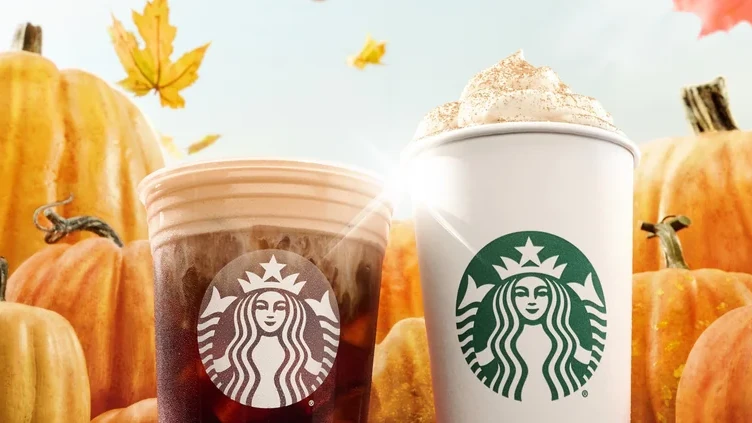
Behind the PSL's cozy glow lies a harsh truth about food chemicals, labeling loopholes, and the myth of “seasonal indulgence.”
On August 26, Starbucks will once again usher in the “unofficial start of fall” with the return of its Pumpkin Spice Latte (PSL). For millions, the drink has become a seasonal ritual. But behind the frothy topping and cinnamon-scented nostalgia lies a chemically engineered formula whose safety, transparency, and regulatory oversight raise real concerns.
Take this year’s launch: the PSL returns alongside a pecan oatmilk cortado and pumpkin cream cold brew. All cozy, all inviting—and all shaped by a quiet industry of synthetic flavors, ambiguous labeling, and voluntary disclosures. The question no one’s asking: what exactly are we drinking, and how much do we really know about it?
The “Natural Flavor” Loophole
Despite its pumpkin-themed branding, the PSL contains no actual pumpkin in many of its retail formulations and relies heavily on a catch-all ingredient: natural flavors. While the term sounds innocuous, it masks a complex web of chemical additives, extraction solvents, and fragrance compounds, some of which can include propylene glycol, ethyl vanillin, or flavor precursors derived from genetically modified yeast.
➡️ FDA’s natural flavor labeling policy – 21 CFR § 101.22
The result? A massive blind spot in consumer knowledge. A 2023 analysis by Consumer Reports found that “natural flavors” were the fourth most common ingredient in over 80,000 packaged food products, outranked only by salt, water, and sugar. Yet in the U.S., no manufacturer is required to disclose how those flavors are made, how many compounds are used, or whether they’re derived from fermentation vats, enzymatic processes, or synthetic conversions of GMO feedstocks.
Contrast that with the European Union, where European Food Safety Authority (EFSA) mandates more stringent disclosures, especially when flavoring substances may produce heat-related byproducts like furan, a compound EFSA has flagged as genotoxic and potentially carcinogenic in thermally processed foods and drinks, including coffee.
➡️ EFSA Panel on Chemical contaminants in food and feed (2023)
Bottom line: The “natural flavor” in your Pumpkin Spice Latte isn’t pumpkin, it’s regulatory sleight of hand. It might include over 100 sub-ingredients, none of which you're allowed to know, and many of which are legal due to industry self-certification under the Generally Recognized as Safe (GRAS) rule. That rule, too, is a loophole critics say is exploited far more than it’s enforced.
In fact, under 21 CFR § 101.22, the FDA allows companies to group dozens of compounds under “natural flavor” without listing their identities, as long as the source originated in nature, even if what ends up in the cup is molecularly far removed from the original ingredient.
This regulatory gray zone has been widely criticized by consumer advocates like the Environmental Working Group (EWG) and food scientists across The National Institutes of Health -funded research centers, who warn that “natural” doesn’t mean safe, tested, or even consistent from batch to batch.
Endocrine Disruption in a Cup?
Several compounds commonly used in natural flavor synthesis and creamy emulsifiers (like diacetyl or acetoin) have been studied for their respiratory or endocrine effects, particularly when inhaled or heated. While Starbucks has removed many controversial additives like caramel color IV and high-fructose corn syrup, concerns remain around residual solvents, heating byproducts, and unlisted synergistic chemicals.
➡️ Alternative Flavored Inhalable Products—A New Respiratory Hazard?
Voluntary Disclosures, Invisible Risk
Unlike EU labeling rules enforced by EFSA, which often require precise chemical identification or formal toxicological evaluation of flavor mixtures, U.S. brands like Starbucks operate under voluntary GRAS (Generally Recognized As Safe) systems. These are self-affirmed by manufacturers and rarely audited.
In 2024, a joint investigation by KFF Health News and The Guardian found that many GRAS filings for flavoring agents used in seasonal drinks were backed by industry panels, not independent toxicologists—and that several ingredients flagged by EFSA as potential neurotoxicants (e.g., furan derivatives) were still in use in U.S. coffee chains.
➡️ How the FDA Opens the Door to Risky Chemicals in America’s Food Supply (2025)
Microdosing with Every Sip
The problem isn’t one PSL. It’s the cumulative microexposures—especially in children, pregnant women, and frequent consumers—that concern toxicologists. As Starbucks expands its grocery PSL line (Frappuccino bottles, creamers, cold brew concentrates), the reach of these compounds multiplies.
And while none of these ingredients are acutely toxic at the doses used, long-term studies remain sparse. The public has no meaningful way to track total intake across products. In regulatory terms, we are flying blind.
The IngredientIQ Standard
At IngredientIQ , we believe seasonal joy shouldn’t come at the cost of transparency. Just consider IngredientIQ the Google maps for food and drinks choices. Just as Google maps have become intuitive in providing you with the most optimized navigational experience based on your destination, IngredientIQ does that and so much more regarding your personalized health and wellness!
Call to Action
- For Consumers: Ask your barista what’s in the syrup. Look for brands that list every compound, not just buzzwords.
- For Health Professionals: Track flavorant exposure in patient dietary logs. Seasonal drinks may affect sensitive populations more than realized.
- For Journalists: Follow the money. Many GRAS panels are industry-financed. Transparency in disclosure is the next big food safety frontier.
➡️ Follow IngredientIQ for ingredient debriefs, investigative reports, and real-time updates on regulatory loopholes and clean-label reform.
#PumpkinSpiceLatte #FoodTransparency #NaturalFlavorsExposed #IngredientLabeling #GRASRegulation #FallMenuTruths #CleanLabelCoffee #FDAOversight #StarbucksPSL #HiddenIngredients #EFSAStandards #EndocrineDisruptors #FDA #NIH #USDA #Starbucks #PSL #bioindividuality #IngredientIQ