
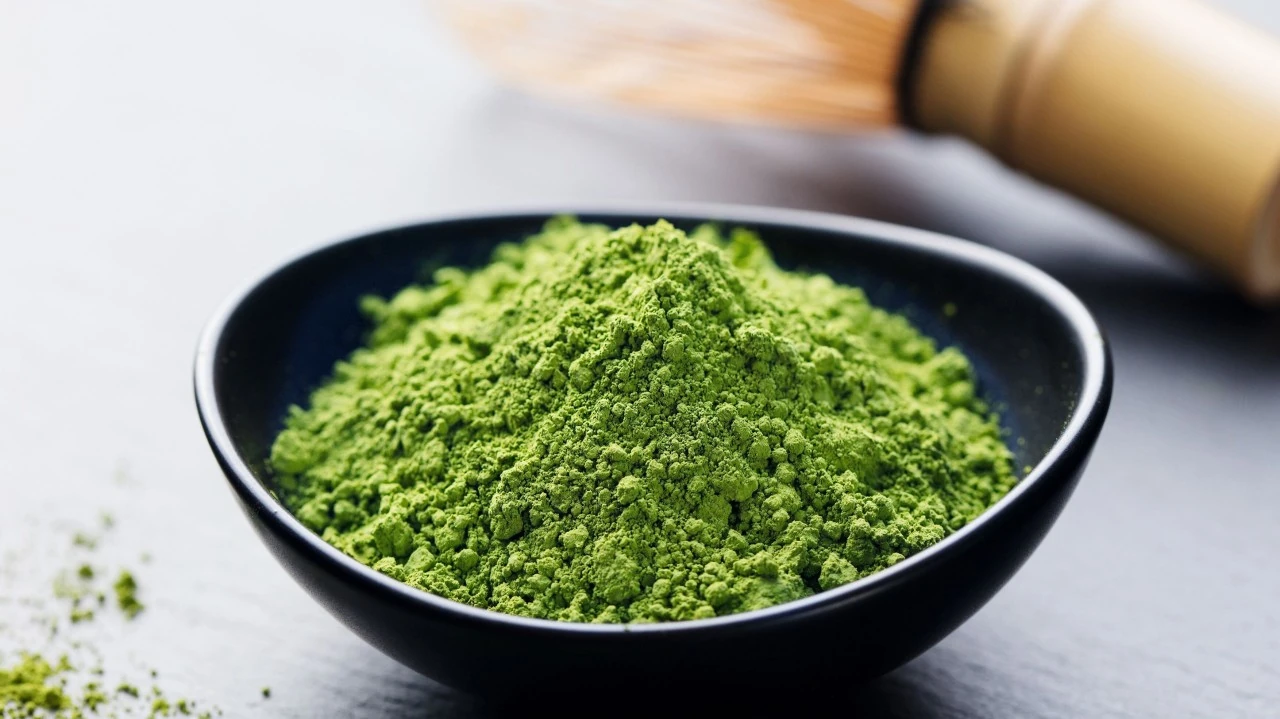
🌿 What Is Matcha? 🍵
Matcha is a finely milled green tea powder made from shade-grown Camellia sinensis leaves, originally developed in Japan despite its earlier roots in China (Bon Appétit, Wikipedia). The shading process increases chlorophyll and L‑theanine levels, resulting in vibrant green color, rich umami flavor, and potent nutritional profile (Wikipedia).
Matcha isn’t just a wellness trend—it’s a biochemical powerhouse fueling a $4 billion global market. But behind the frothy lattes and TikTok reels lies a looming supply chain squeeze, regulatory ambiguity, and rampant misinformation. IngredientIQ investigates the truth behind matcha's rise, its hidden formulation risks, and how ingredient-level transparency is becoming non-negotiable in this chlorophyll-colored craze.
A Sip Too Far: From Zen Ritual to Commodity Clash
In 2025, Houston cafés began rationing matcha. In Tokyo, ceremonial-grade prices hit all-time highs. At the root? A global shortage caused by soaring demand, limited cultivation, and ultra-selective grading protocols. Japan—responsible for nearly 100% of global ceremonial-grade matcha—is unable to meet demand sparked by Western influencers and functional beverage startups (time.com).
Matcha 101: A Precision-Crafted Superleaf
- Cultivation: Matcha’s benefits stem from tencha leaves shaded for 20+ days before harvest—raising L-theanine and chlorophyll.
- Processing: Leaves are de-veined, de-stemmed, and stone-milled into powder. One ounce of ceremonial-grade matcha can take over an hour to produce.
- Grades & risks: Most products sold as “matcha” in the U.S. are culinary or mislabeled barista-grade. Many include additives, flavoring agents, or bulking starches (epicurious.com).
💪 Health Benefits
Matcha is rich in catechins (especially EGCG), antioxidants, chlorophyll, caffeine, and L-teanine, at levels significantly higher than steeped green tea due to the whole-leaf consumption (Healthline). Key benefits include:
- Brain function: Improves attention, reaction time, and memory, enhanced by the calming synergy of L‑theanine and caffeine (Tenzo Matcha, Healthline).
- Cardiometabolic support: May help regulate cholesterol, reduce inflammation, improve liver health, and assist with blood sugar control and weight maintenance (Verywell Health, Healthline).
- Anti-aging & beauty: EGCG and chlorophyll may protect skin from sun damage, reduce acne, and even support hair health and discourage premature graying (vogue.com).
- Sustained energy: Delivers caffeine without jitters or crashes thanks to L‑theanine’s calming effect—often described as alert but relaxed energy (The Times).
⚠️ Tip: Avoid consuming matcha with meals rich in iron, as polyphenols may inhibit mineral absorption when taken within 90–120 minutes of food (Reddit).
☕ Institutional Perspective & Regulatory Lag
Despite matcha’s proliferation in health cafes and supplement stacks, global authorities still categorize it under the loose “green tea” classification. Neither the FDA nor EFSA provides distinct purity standards for matcha vs. standard Camellia sinensis extracts. This leaves room for mislabeling and adulteration.
IngredientIQ's framework uses Japanese Agricultural Standards (JAS) for ceremonial matcha as a baseline, while mapping NIH antioxidant data and AI analysis of ingredient formulations used in consumer products.
📈 Matcha Today: A Global Trend & Supply Crunch
- Skyrocketing popularity: Driven by TikTok virality and Instagram-ready cafés, matcha demand has surged worldwide—especially in North America and Europe.Matcha Sunday+15TIME+15Houston Chronicle+15
- Tight supply chain: Matcha comprises only ~6% of Japanese tea production, and 2025’s harvest saw low yields and quality-focused limited output, pushing up prices and causing shortages.TIME+1TIME+1
- Local impact: In cities like Houston, cafés face frequent stockouts and must adjust offerings based on grade and supplier relationships.Houston Chronicle
Ethical Contrast: Green Doesn’t Mean Clean
Big brands capitalize on wellness aesthetics without disclosing caffeine content (which can vary from 35 to 175 mg per cup), L-theanine ratios, or pesticide load. IngredientIQ builds a countercurrent: transparency not just in the leaf’s origin, but in how it interacts with your physiology.
Call to Action
- Consumers: Curious if your matcha latte is actually worth the price—or the health halo? Get ingredient-level clarity.
- Health Professionals: Understand the Real Biochemistry of Matcha: Not All Green Tea Extracts Are Created Equal.
- Journalists & Analysts: Track how matcha’s surge exposes gaps in international labeling law and consumer protection.
Follow IngredientIQ for real-time sourcing insights, purity comparisons, and science-backed breakdowns of wellness trends—before they become public health headlines.
#MatchaCrisis #FunctionalIngredients #LabelTransparency #CeremonialGrade #LTheanine #GreenTeaScience #IngredientIQ #FoodRegulation #SuperfoodTruth #SupplementTransparency #UjiMatcha #SupplyChainNutrition