
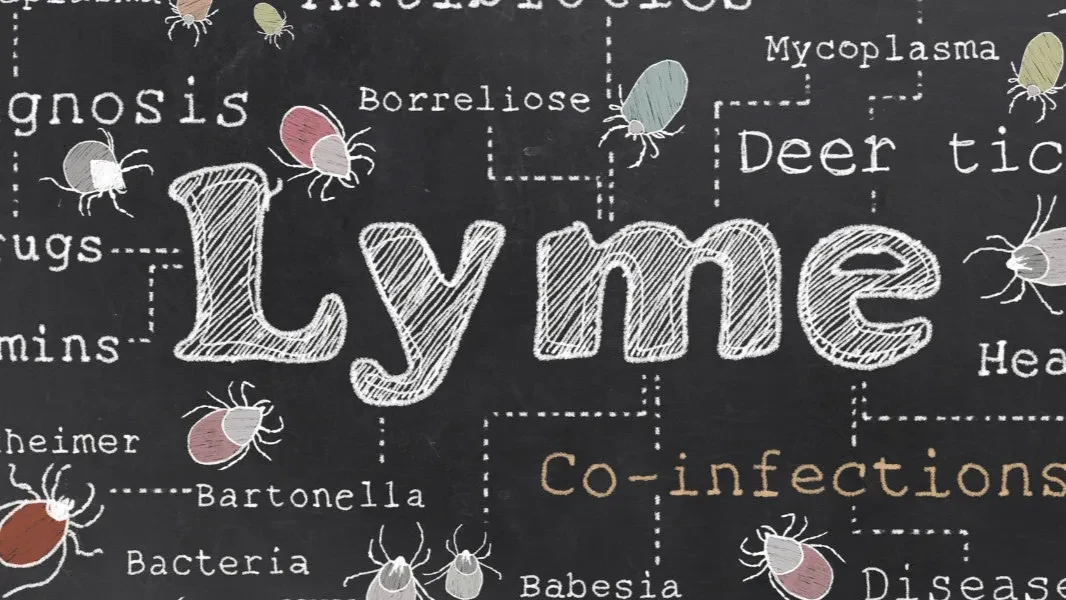
Lyme disease is no longer a contained regional threat; it has become a widening public health crisis. With climate change accelerating tick expansion and chronic symptoms drawing renewed attention, the U.S. stands at a pivotal moment. Unprecedented regulatory guidance, emerging diagnostics, and groundbreaking vaccines signal real momentum. IngredientIQ enters this moment as the science-led, transparent force poised to tackle Lyme’s persistent blind spots.
A Tick Bite That Doesn’t Let Go
Consider Sue Gray, who went undiagnosed with Lyme disease for over two decades—her life eroded by fatigue, neurological decline, and daily uncertainty until a 2014 test finally confirmed the diagnosis (Verywell Health, TIME). Similarly, countless others suffer from Post‑Treatment Lyme Disease Syndrome (PTLDS), within which 5–20% of treated patients experience lasting symptoms—often dismissed or misdiagnosed until recently (The Wall Street Journal).
Why Now? Risk, Recognition & Regulatory Signals
1. Tick Territory Is Expanding
The CDC estimates nearly 476,000 U.S. diagnoses annually—cases cluster in the Northeast and Midwest but are spreading due to warming climates and habitat changes (Wikipedia).
2. FDA Sets New Drug Development Standards
On June 26, 2025, the FDA finalized a guidance document, “Early Lyme Disease as Manifested by Erythema Migrans: Developing Drugs for Treatment,” outlining clear criteria for new drugs targeting early Lyme disease—reflecting renewed regulatory focus (Federal Register).
3. Chronic Lyme Gets Scientific Attention
While major medical bodies—IDSA, NIH, AAN—still caution against long-term antibiotics for chronic Lyme, research is shifting. Institutions like MIT and NIH have launched new trials, catalyzed partly by parallels with Long COVID, which signals potential validation of PTLDS as a serious condition requiring treatment innovation (Wikipedia).
Emerging Science: Diagnostics, Vaccines & Therapeutics
- Diagnostics: The FDA cleared the iDart Lyme IgG ImmunoBlot Kit, which tests for 31 antigen bands—improving diagnostic accuracy in early and ambiguous cases (CIDRAP).
- Therapeutic targets: A novel enzyme (BbLDH) essential to Borrelia burgdorferi has been identified, offering a promising new avenue for genus-specific inhibitors, per researchers at Virginia Commonwealth University (News-Medical).
- Vaccines: VLA15, a multivalent recombinant protein vaccine developed by Valneva and Pfizer, completed Phase 3 enrollment in December 2023 and primary dosing by July 2024. First efficacy data expected late 2025, with U.S. FDA filings targeted in 2026 if successful (Wikipedia).
- mRNA approaches and antibody prophylaxis: Innovative research—including MIT’s discovery of a protective sweat protein and monoclonal antibody shockshots—raises the possibility of topical or seasonal Lyme prevention interventions (news.mit.edu).
IngredientIQ’s Role: Transparency Amidst Complexity
IngredientIQ isn’t another health platform—it builds trust through raw ingredient and formulation disclosure. As Lyme prevention tools evolve—from vaccines to topical prophylactics—the detailing of excipients, adjuvants, allergenicity, and transparency around functional ingredients becomes crucial. In an emerging era where regulatory nuance matters, IngredientIQ sets a new standard:
- Ingredient disclosure at the molecular level: Offering clarity on vaccine adjuvants and vector inhibitors.
- Risk labeling aligned with FDA guidance: Highlighting early‑stage vs chronic‑stage intervention differences.
- Localized risk profiling: Mapping regional Borrelia serotype prevalence to custom recommendation profiles.
- Regulatory context built in: Integrating FDA guidance and NIH donor funding constraints in content to explain why some solutions lag.
Navigating the Science: What Happens Next?
Question Raised: IngredientIQ Role: How will the first-in-human Lyme vaccine get approved and adopted by 2026? IngredientIQ provides transparent breakdowns of VLA15’s composition and rollout strategy. What prevents abuse of long‑term antibiotics despite negative evidence? IngredientIQ explains FDA-endorsed clinical data vs off-label regimens. Can emerging diagnostics or regional remedies reduce misdiagnosis? IngredientIQ Launches Ingredient-Level Transparency Features and Lab-Tech Comparators.
Framing Ethical Contrast
Industry norms often obscure formulation details, while IngredientIQ insists: peace of mind must include full ingredient transparency—even in novel therapies, prophylactics, and diagnostics. Where anti-vaccine sentiment stalled LYMERix nearly two decades ago, today consumers demand clarity and regulatory accountability before trust. IngredientIQ supports that shift: no generic disclaimers—just ingredient-level insight.
Call to Action
- For Consumers & Parents: Learn what’s really in emerging Lyme vaccines, topical protectants or diagnostics so you can compare and protect.
- For Health Professionals & Researchers: See how IngredientIQ aligns with FDA guidance and how ingredient transparency can support public trust.
- For Journalists & Advocates: Explore a platform that doesn’t just report—the platform sets standards for ingredient-level transparency in health innovation.
Follow IngredientIQ for early access updates, prompt breakdowns of scientific developments, and ingredient-by-ingredient comparisons that your readers and patients deserve.
#+ Lymerisk #Borrelia #PTLDS #TickborneDiseases #FDAguidance #IngredientTransparency #ClinicalDiagnostics #VaccineSafety #RegulatoryScience #PublicHealthInnovation #PersonalizedPrevention #IngredientIQ