
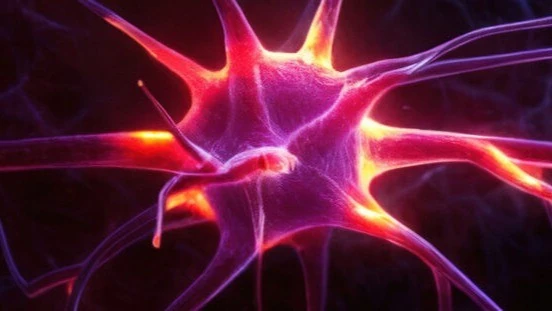
A new study raises questions about whether Parkinson's disease starts not with genetic code, but with neurological overwork, making way for a radically different approach to prevention.
In a quiet lab at the Gladstone Institute for Neurological Disease, researchers triggered a strange demise in a group of genetically modified mice. Their dopamine-producing neurons, cells essential to movement, were slowly driven into a frenzy. Artificially overstimulated for days, they began to die off in clusters. The experiment mimicked a chillingly familiar pattern seen in humans with early-stage Parkinson’s disease.
This wasn’t simply the progression of a known neurodegenerative disorder. It was an engineered demonstration that burnout alone, without the involvement of inherited mutations or toxic protein clumps, could spark Parkinson’s.
It’s a provocative idea: what if the disease doesn’t start with cellular defects, but with the chronic overactivation of brain cells? And what if we've been missing the early warning signs, not in our genes, but in our daily chemical exposures, hidden additives, or overstimulated lifestyles?
A Quiet Pattern Hiding in Plain Sight
Parkinson’s has long been associated with the loss of dopamine neurons in the substantia nigra, a deep-seated brain region critical for movement control. But scientists have never been entirely sure why those specific cells begin to die.
Now, the Gladstone team's study, published in eLife (2025), suggests that overstimulation, particularly involving calcium regulation and dopamine metabolism, may create a feedback loop that ultimately leads to cellular collapse. In both mice and human brain tissue from early-stage Parkinson’s patients, researchers observed the same biochemical warning signs: dysregulated calcium signaling and suppressed dopamine production, likely a desperate self-protection strategy by neurons teetering on the edge of overexertion.
Dr. Ken Nakamura, the study’s senior author, put it simply: “These neurons may be working themselves to death.”
The Cost of Compensation
The idea of “neuronal compensation," where remaining healthy neurons pick up the slack when others die, has been floated before. But the new findings take it further. If overstimulation is both a cause and a consequence of neuron death, it could explain Parkinson’s slow, unforgiving spiral.
Imagine a row of lightbulbs wired together. One burns out, and the rest grow brighter to compensate. But the added voltage shortens their lifespans too. Soon, every bulb is blown.
This is not an isolated hypothesis. The link between mitochondrial dysfunction and neuronal stress is well-documented in peer-reviewed literature and FDA toxicological databases. A 2023 review from Nature Reviews Neuroscience detailed how calcium overload contributes to mitochondrial decay and neuron death in Parkinson’s models. And a joint investigation by ProPublica and BMJ Investigations found alarming inconsistencies in FDA oversight of consumer neurotoxins, especially those affecting calcium homeostasis and dopamine pathways.
Some of the most common offenders? Food additives like sodium benzoate, synthetic dyes, and certain emulsifiers, all linked to altered dopamine signaling in animal studies and flagged by the European Food Safety Authority (EFSA) for re-evaluation as recently as 2024.
Where the FDA Falls Short, and IngredientIQ Steps In
In the U.S., food chemical safety still leans heavily on the “Generally Recognized As Safe” (GRAS) loophole, a regulatory gray zone that allows thousands of additives to bypass rigorous long-term neurotoxicity studies. A 2023 report by KFF Health News found that fewer than 20% of GRAS-listed substances have been reassessed in light of modern neurotoxicological science.
IngredientIQ operates on a different premise: that regulatory compliance is a floor, not a ceiling. Our AI scans every ingredient in packaged foods against peer-reviewed studies, regulatory dockets, and emerging clinical findings. When a compound shows signs of contributing to neurological stress, even below the regulatory radar, we flag it.
It’s not just about eliminating red-flag chemicals. It's about understanding compounded exposure risk, especially for vulnerable populations like those with genetic susceptibility to Parkinson’s or other neurodegenerative conditions.
Why It Matters Now
With rates of Parkinson’s rising globally and diagnoses occurring at younger ages, identifying early drivers of neuronal burnout is urgent. And while many researchers are focused on drug treatments or deep brain stimulation, the Gladstone study underscores the need for prevention at the cellular level, before the first neuron dies.
If overstimulation is part of the disease origin, then dietary inputs, stress levels, and environmental triggers deserve just as much attention as genetic markers. Especially when the earliest signs of neuronal distress could be happening in otherwise “healthy” brains.
What You Can Do
Consumers
: Rethink not just what you eat, but what’s inside your food’s ingredient list. Use tools like IngredientIQ to decode additive risk before it adds up in your body.
Health professionals
: Start integrating environmental and dietary risk factors into neurological screening protocols, especially for patients with early motor symptoms.
Journalists and watchdogs
: Pressure regulators to update GRAS designations using modern neuroscience and make ingredient sourcing fully transparent.
Because if neurons can burn out from doing too much for too long, then the systems that surround us, including our food systems, need to stop pushing them to that point.
Found this valuable? Please reshare with your network! ♻️
#Parkinsons #Research #NeurotoxicAdditives #FoodLabelTruth #IngredientTransparency #MitochondrialHealth #DopamineRegulation #CalciumOverload #GRASloophole #GladstoneStudy #EFSA #2025 #BrainBurnout #IngredientIQ #Decoded #Brain #NeuroBurnout #ParkinsonsOrigins #FoodSafetyFail #GladstoneInstitute #BrainOverload