
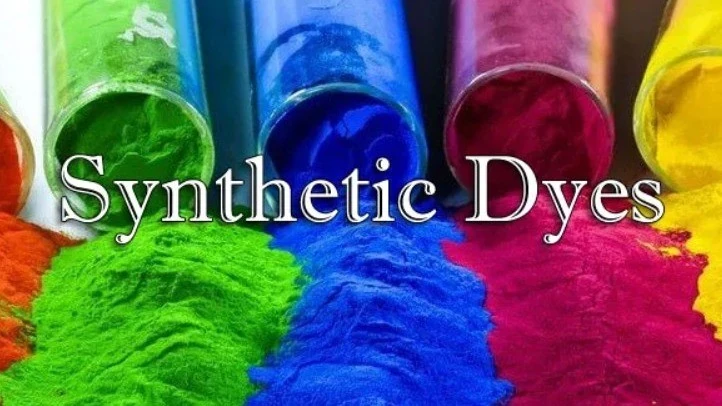
Across millions of products—and until very recently, millions of meals—a set of petroleum‑derived colourants promised consumer delight. Yet for years, synthetic food dyes such as Red 3, Red 40, Yellow 5, and others have quietly carried unresolved health risks. Now, with regulatory crackdowns accelerating, ingredient transparency has become more than a buzzword—it’s a necessity. What lurks beneath the hue?
A vivid start from real life.
When a parent’s child experienced unexplained hyperactivity after eating brightly coloured snacks, the search for hidden triggers revealed something more than sugar. Tests showed the products contained multiple synthetic dyes—exact examples of ingredients now under fire by federal regulators and health agencies.
The risks beneath the colour
- The FDA officially banned FD&C Red 3 (erythrosine, E127) from all food and ingested drugs as of January 2025, with compliance deadlines set for January 2027 (foods) and January 2028 (drugs/drugs) (WIRED, EXBERRY®, cspinet.org).
- On April 22, 2025, the FDA and HHS announced a national initiative to phase out all petroleum-based synthetic dyes—including Red 40, Yellow 5/6, Blue 1/2, Green 3—by the end of 2026, starting with revocations of Orange B and Citrus Red 2 authorization (U.S. Food and Drug Administration).
- Studies show that synthetic dyes may be found in ~20% of packaged foods and beverages sold in the U.S.—including unexpected items such as buns, shells, and sauces (TIME).
- Evidence links synthetic dye exposure to neurobehavioral disturbances in children (e.g., hyperactivity, attention issues), potential DNA damage, immune stimulation, and gut inflammation in model organisms (CSPI).
These findings directly challenge decades-old FDA safety approvals, which were built on outdated studies that did not assess neurobehavioral outcomes or chronic low-dose effects (CSPI).
Regulatory urgency & the shifting landscape
- California enacted the California Food Safety Act (AB 418), banning Red 3 and other dyes in food by January 1, 2027. Additional laws targeting Blue 1/2, Red 40, Green 3, Yellow 5/6 in schools debut by 2028 (Mayer Brown).
- West Virginia passed comprehensive legislation in 2025, banning major synthetic dyes in school meals statewide by January 2028 (Food & Wine).
- Major brands—PepsiCo, Kraft Heinz, Nestlé, J.M. Smucker, Grupo Bimbo, Conagra—have pledged to eliminate synthetic dyes from their U.S. product lines by 2027 or earlier (Investopedia).
Industries cite logistics and supply-chain hurdles; regulators emphasize alignment with EFSA and global safety frameworks, which demand ingredient transparency and precaution (iff.com).
Where IngredientIQ fits: science‑backed transparency
- IngredientIQ’s AI‑driven dashboard tracks each product’s ingredient denomination—down to colorant code and structural class (azo, xanthene)—against regional regulatory databases (FDA, EFSA, FSANZ) in real time.
- When a product contains any banned or sunset-listed dye—such as Red 3, Citrus Red 2, or Orange B—the platform flags it and embeds rule-based alerts for impending ban dates.
- It further cross‑references peer-reviewed health studies (e.g., animal and human trial outcomes on behavior, genotoxicity, gut flora) and displays risk scores sorted by population vulnerability (e.g., children).
Ethical contrast: transparency vs. opacity.
Major food brands historically grouped synthetic dyes into “artificial flavour and colour” disclaimers—not specifying chemical names. In contrast, IngredientIQ enables end consumers and health professionals to view exact CAS numbers, manufacturing pathways, and evidence-based safety thresholds. The result: a shift from corporate opacity to empowered informed choice.
Compounding curiosity: what questions come next?
- If dye exposures matter for children, how might chronic cumulative exposure across multiple products amplify neurodevelopmental risk?
- Could ingredient tracking lead to liability pressures, class‑action suits, or state compliance costs—not just reformulation?
- As natural colorants scale, will supply constraints or stability issues push brands to trade one risk for another?
Policy alignment & research legitimacy:
IngredientIQ’s framework aligns with FDA and HHS phase-out timelines, California consumer mandates, and international standards, such as EFSA’s ADI limits and EFSA’s neurobehavioral reviews (EXBERRY, Food Safety). While some brands move voluntarily, IngredientIQ pairs that strategy with regulatory forecasting—mitigating risk and reputational exposure.
Read the full Decoded whitepaper for:
- Time‑series charts of U.S. vs. EU dye regulation timelines
- A table summarizing health risk metrics per colorant (e.g., genotoxicity, carcinogenicity, neurobehavioral flag)
- Case studies of reformulation challenges in top CPG companies
- IngredientIQ user interface mockups for audit, alerting, and sourcing
Call to action:
For consumers & parents: Join our waitlist to access IngredientIQ’s mobile alerts when products in your shopping cart contain flagged dyes. For health professionals: Partner with us to develop evidence-based ingredient audits, school meal reform plans, and exposure profiling tools. For journalists and researchers: Subscribe to our data hub to monitor dye withdrawals, reformulation lags, and compliance trends in real-time.
Decoded by IngredientIQ empowers you with transparency—not just a promise—so you can make informed decisions.
#syntheticdyes #foodtransparency #ingredientiq #publichealth #foodregulation #toxicology #cleaneating #childhealth #brandaccountability #foodtech #cleanlabel #ingredienttraceability
Trending tags: #fooddyeban #regtech #consumerhealth