
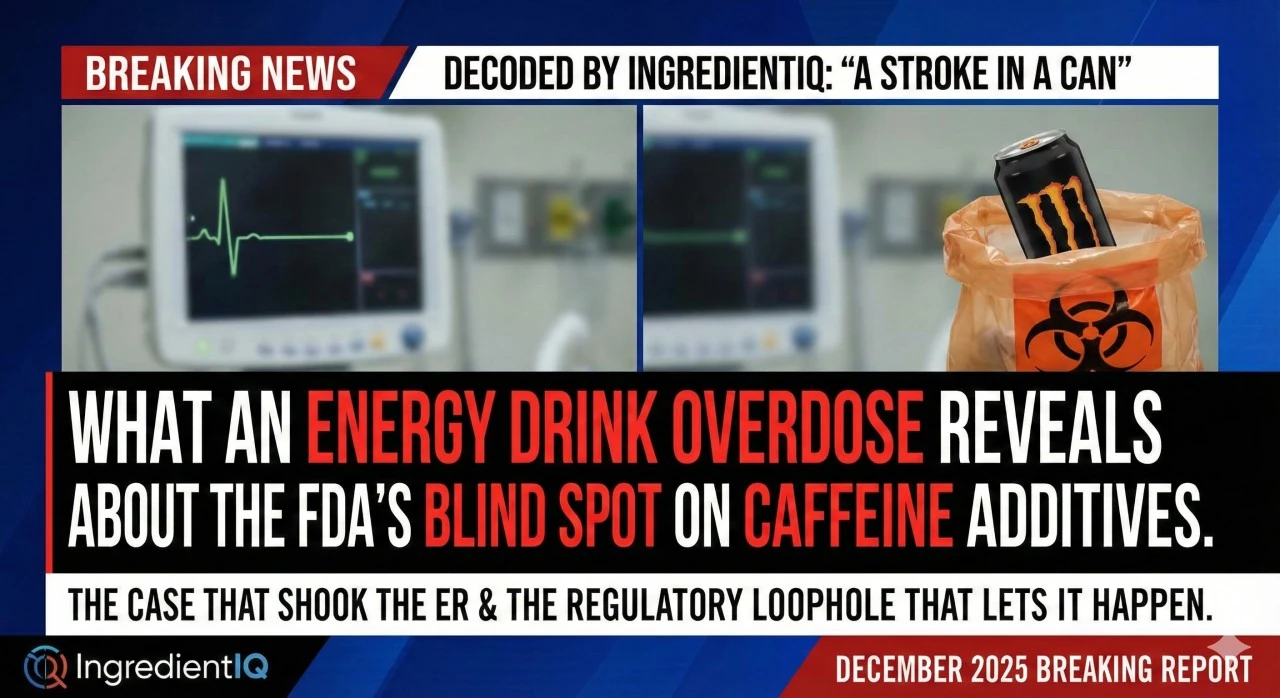
The Case That Shook the ER
In the 2nd week of December 2025, a man in his 50s walked into Nottingham University Hospital with numbness, left-side weakness, and difficulty walking. Fit, non-smoking, and not on illicit drugs, his MRI revealed a thalamic stroke. What made the case unusual wasn’t the stroke—it was what triggered it. According to doctors, the man had been drinking eight energy drinks a day, each loaded with 160 mg of caffeine. That’s 1,280 mg daily, over four times the FDA ’s recommended limit of 400 mg for healthy adults.
After eliminating energy drinks, his blood pressure normalized, and all antihypertensives were discontinued. The stroke's cause? Likely “caffeine-induced hypertension,” said the authors in BMJ Case Reports. But the real problem isn’t this man, it’s how many others like him are quietly vulnerable, unprotected by a patchwork of U.S. food regulations that fail to treat energy drinks as the cardiovascular hazard they can be.
The Regulatory Loophole That Lets It Happen
Caffeine in energy drinks is mostly added caffeine, not the naturally occurring kind found in coffee or tea. And here's the catch: the FDA regulates caffeine differently depending on its source. Naturally occurring caffeine in sodas or teas is treated leniently, but synthetic caffeine, typically added to energy drinks, is considered a food additive.
Yet despite this distinction, manufacturers don’t need to prove the safety of caffeine levels in energy drinks before selling them. How? Through a decades-old regulatory workaround known as GRAS—“Generally Recognized As Safe.” Caffeine was granted GRAS status in the 1950s when soft drinks were the benchmark—not when megadose energy drinks existed.
“Energy drink labels don’t even have to list caffeine content in the same place or use consistent units,” noted a 2023 Consumer Reports investigation, calling out the lack of mandatory labeling standards and citing growing concerns from the Center for Science in the Public Interest (CSPI) about adolescent exposure. The FDA has acknowledged the regulatory gray area but has yet to close it.
A Health Time Bomb for Teens and Adults Alike
A 2023 BMJ investigation into global energy drink use revealed that 68% of adolescents surveyed consumed them weekly, often unaware of how much caffeine they contained. The European Food Safety Authority (EFSA) found that more than 25% of children aged 3–10 years exceeded the safe daily intake for caffeine.
And in the U.S.? The Centers for Disease Control and Prevention has flagged a rise in ER visits linked to energy drink use, especially among people under 30. Caffeine toxicity presents in alarming ways: rapid heart rate, elevated blood pressure, seizures, and—in rare but severe cases like the Nottingham patient—stroke.
What’s more, caffeine isn’t acting alone. Many energy drinks also contain taurine, guarana, and ginseng, which can amplify cardiovascular effects. Yet these synergistic risks are rarely disclosed, studied, or regulated as combinations.
Ingredient Transparency Isn’t Just a Buzzword
Consumers assume what’s on the shelf has been rigorously vetted. But in the case of energy drinks, that trust may be misplaced. Many popular products aren’t considered “beverages” under FDA rules, but rather “dietary supplements”—a designation that reduces regulatory scrutiny and sidesteps the need for premarket safety testing.
This isn’t just about caffeine. It’s about a fragmented system that lets products slip through simply because they fall between definitions. IngredientIQ was founded precisely to address that: decoding what’s in your food and drink, ingredient by ingredient, based on up-to-date scientific consensus—not decades-old assumptions.
Using AI-driven analysis cross-verified with FDA, EFSA, and peer-reviewed studies, IngredientIQ makes additive risks transparent and personal. Whether you’re a parent watching your teen’s caffeine intake or a health professional trying to decode what might be driving a patient’s symptoms, real-time ingredient risk profiling isn’t optional anymore. It’s essential.
What Else Aren’t We Asking?
If energy drinks can cause stroke in a previously healthy adult, what are they doing to developing brains and cardiovascular systems? How many similar cases are going unreported, misattributed to "stress" or "bad genetics"? And why are we still allowing manufacturers to self-certify the safety of stimulants sold in flashy cans?
The real question isn’t whether caffeine is dangerous in moderation—it’s whether our regulatory system can keep up with how it's being engineered and marketed today.
The IngredientIQ Bottom Line
Energy drinks aren’t the only products exploiting regulatory blind spots. But they’re among the most blatant. IngredientIQ is building tools to decode every additive on your label, so you can stop guessing what’s safe—and start knowing. Because when “generally recognized as safe” is based on 1950s soda standards, it’s time to recognize that we need more than generalities.
#ingredientIQ #caffeinerisk #energydrinkdanger #foodtransparency #BMJcase #EFSAalert #FDAoversight #labeldeception #healthliteracy #strokeawareness #kidsandcaffeine #ingredienttruth
Call to Action
For consumers: Want to know what else in your fridge might be exploiting outdated safety rules? Visit IngredientIQ’s platform for early access. For health professionals: Explore how AI-backed ingredient data can assist differential diagnoses. For journalists: Use IngredientIQ as your research partner in exposing additive blind spots. Get in touch for access to our regulatory database.